
GE Monogram appliances are known for their premium design, cutting-edge features, and reliability. From built-in refrigerators to high-performance ranges, they deliver luxury and functionality in one sleek package. But even the most advanced appliances aren’t immune to wear and tear. Over time, everyday use, environmental factors, and component fatigue can lead to performance issues.
When your Monogram appliance starts acting up, knowing what’s wrong — and how the pros handle it — can save you stress, money, and possibly your dinner plans. In this guide, we’ll explore the most common GE Monogram appliance problems, break down why they happen, and reveal how professional technicians diagnose and fix them with precision.
Reliability and Performance Matter Most
When investing in a GE Monogram appliance, you expect years of dependable performance. That’s why it’s frustrating when issues pop up, especially if they disrupt your daily routine. Professional repair services focus on restoring reliability quickly and effectively by combining technical expertise with specialized tools.
Here’s what sets skilled Monogram repair pros apart:
- Factory-trained knowledge: Technicians who know the brand’s engineering and repair protocols inside out.
- Genuine replacement parts: OEM components to ensure compatibility and maintain performance.
- Advanced diagnostic tools: Technology that pinpoints problems faster than guesswork.
For homeowners, choosing a pro means your investment stays protected and your appliance works like new again.
Refrigerator Cooling Problems
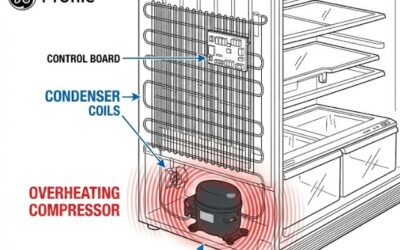
A luxury fridge losing its chill is more than inconvenient — it’s a race against time to save your food. Common cooling issues with GE Monogram refrigerators include:
- Warm interior despite a running compressor
- Uneven cooling between compartments
- Excessive frost buildup in the freezer
Causes:
These problems can stem from dirty condenser coils, faulty evaporator fans, or a failing temperature sensor. In built-in models, airflow obstructions or sealed system leaks can also be culprits.
How Pros Fix It:
- Diagnostic check: Using digital thermometers and diagnostic software to verify temperature fluctuations.
- Component testing: Checking fans, thermistors, and compressors for proper function.
- Cleaning & repairs: Clearing debris from coils, replacing defective parts, or recharging refrigerant in case of leaks.
Ice Maker Failures
An integrated ice maker is a luxury you don’t think about — until it stops producing ice.
Common complaints:
- No ice production
- Misshapen or cloudy ice
- Ice dispenser not working
Causes:
Clogged water filters, frozen water lines, or faulty inlet valves often cause these issues. Sometimes, the ice maker motor module or sensor fails, disrupting the ice-making cycle.
How Pros Fix It:
- Filter replacement: Ensuring water is free of sediment and safe for ice production.
- Defrosting lines: Safely thawing and insulating frozen water lines to prevent future blockages.
- Component swap: Replacing defective valves, sensors, or the ice maker unit itself.
Oven Temperature Inconsistencies
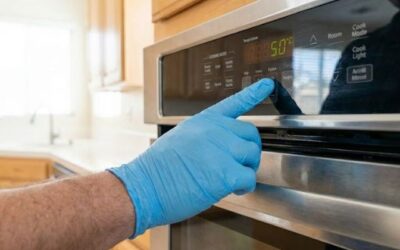
Your Monogram oven should deliver perfect results, whether you’re baking, roasting, or broiling. If food comes out overcooked or underdone, temperature calibration may be off.
Causes:
A worn temperature sensor, faulty control board, or damaged heating element can throw off precision.
How Pros Fix It:
- Sensor testing: Using an ohmmeter to confirm resistance matches factory specs.
- Calibration adjustments: Reprogramming temperature settings to restore accuracy.
- Component replacement: Installing new elements or boards to ensure even heating.
Gas Range Ignition Problems
When your gas cooktop won’t ignite or takes too long to spark, it’s both frustrating and unsafe.
Causes:
Common issues include clogged burner ports, faulty spark modules, or damaged igniters. Moisture buildup from spills can also interfere with ignition.
How Pros Fix It:
- Thorough cleaning: Removing grease and debris from burner heads and ignition ports.
- Igniter testing: Measuring continuity to confirm function.
- Spark module replacement: Ensuring consistent ignition across all burners.
Dishwasher Not Draining
A Monogram dishwasher should leave your dishes sparkling — not sitting in a pool of water.
Causes:
A clogged drain hose, blocked air gap, or malfunctioning drain pump is often to blame.
How Pros Fix It:
- Drain inspection: Checking hoses, filters, and pumps for blockages.
- Component repair: Replacing faulty pumps or clearing obstructions.
- Cycle recalibration: Ensuring the wash program runs its full drainage cycle.
Strange Noises and Vibrations
Unusual noises in a Monogram appliance usually indicate a mechanical or alignment problem.
Causes:
- Worn fan blades in refrigerators
- Loose drum belts in laundry units
- Misaligned burners or racks in ovens
How Pros Fix It:
- Noise isolation: Identifying whether the sound is mechanical, electrical, or airflow-related.
- Part replacement: Installing new fans, belts, or supports.
- Re-leveling: Adjusting appliance feet for proper balance and stability.
The Role of Technology in Modern Repairs
Monogram repair specialists rely on advanced tools and diagnostic software that go beyond basic troubleshooting. For example:
- Bluetooth-enabled diagnostics for quick error code readings
- Thermal imaging to detect hot or cold spots in ovens and refrigerators
- Smart calibration tools that sync with Monogram’s proprietary software
This technology speeds up repairs and ensures lasting results.
Why DIY Isn’t Always the Answer
While online guides make appliance repair look easy, GE Monogram units often require brand-specific training. Attempting repairs without it can void warranties, cause safety hazards, or worsen the problem.
Professionals:
- Work with high-voltage and gas systems safely
- Follow manufacturer repair guidelines
- Have access to OEM parts not sold to the public
Transparent Pricing and Warranty Protection
Reputable repair companies offer clear, upfront pricing for Monogram services, often backed by part and labor warranties. This ensures peace of mind and protects your investment long after the repair is complete.
Frequently Asked Questions
- How often should I service my GE Monogram appliance?
Annual maintenance checks are recommended to keep systems clean, calibrated, and efficient. - Can I use generic parts for Monogram repairs?
It’s best to use OEM parts for compatibility and performance, especially to maintain warranty coverage. - Are Monogram appliances harder to repair than standard models?
They often require specialized tools and training, so hiring a certified technician is advisable. - Why is my Monogram fridge still warm after repair?
There may be multiple issues — a skilled tech will recheck the sealed system, fans, and sensors to ensure all problems are addressed. - How long do Monogram appliances last?
With proper care, they can last 10–20 years, depending on usage and maintenance.
Conclusion: Protect Your Investment with Expert Care
GE Monogram appliances are a statement of luxury and performance, but even the finest equipment needs expert care to stay at its best. From refrigerators that won’t cool to ovens that misbehave, knowing the common issues — and trusting pros to fix them — can save you time, money, and frustration.
When you hire trained Monogram specialists, you’re not just fixing a problem — you’re preserving the value and efficiency of your home’s most important tools. Whether it’s restoring perfect oven temperatures, clearing a clogged dishwasher, or bringing your fridge back to life, professional service keeps your kitchen running smoothly.