
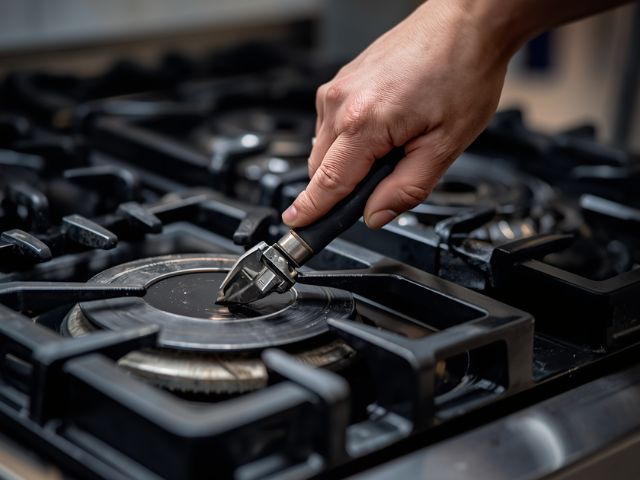
Summer heat doesn’t just affect your comfort—it silently pushes your kitchen appliances to their limits. Among the most affected units are GE Profile cooktops, which often show early warning signs of breakdowns during hotter months. High temperatures, humidity, and constant usage can combine to create unexpected failures that escalate quickly if ignored.
Understanding these seasonal risks helps you prevent costly repairs, avoid safety hazards, and extend the lifespan of your cooktop.
Heat Stress Impact on GE Profile Cooktop Components
When temperatures rise, internal components inside your cooktop expand and contract more frequently. This thermal stress can weaken sensitive parts over time.
Electronic ignition systems may struggle to function properly, and burner components can lose calibration. Even minor heat exposure in the kitchen can gradually degrade wiring insulation, leading to intermittent performance issues.
Summer heat doesn’t just stay outside—it builds up in your cooking environment, making your cooktop work harder than usual.
Ignition Failures That Start Showing in Hot Weather
One of the most common summer issues is ignition failure. You may notice clicking sounds without flame or delayed burner activation.
This often happens because heat affects the ignition switch and spark module alignment. Dust buildup mixed with heat expansion can also block proper spark generation.
If your burners take multiple attempts to light during summer, it’s a strong early warning sign of a deeper electrical or gas flow issue that should not be ignored.
Uneven Flame Distribution and Burner Weakness
Another noticeable summer failure is uneven flame output. One burner may burn strong while another appears weak or inconsistent.
This usually results from partial clogging in burner ports, heat-damaged regulator components, or airflow disruptions caused by kitchen temperature buildup.
Humidity also plays a role, causing moisture accumulation that affects gas flow consistency. Over time, uneven heating can make cooking unreliable and unsafe.
Control Panel Malfunctions From Overheating
Modern GE Profile cooktops rely heavily on electronic control panels. During summer, these systems are more prone to overheating, especially in kitchens without proper ventilation.
Signs include unresponsive buttons, random error codes, or delayed temperature adjustments. In some cases, the panel may reset repeatedly or freeze during operation.
Excess heat combined with continuous use can strain circuit boards, making early intervention essential before total failure occurs.
Gas Flow Interruptions and Safety Concerns
Gas cooktops may experience irregular flow during summer due to pressure changes caused by temperature fluctuations. This can lead to inconsistent flame size or delayed ignition.
In extreme cases, gas regulators may become less responsive under heat stress, increasing safety risks.
Any smell of gas or unusual burner behavior should be addressed immediately. Summer conditions can amplify small issues into serious hazards if left unchecked.
Humidity and Corrosion Inside Cooktop Systems
High humidity levels during warm months can slowly introduce moisture into internal cooktop components. This leads to corrosion in metal parts and oxidation in electrical connections.
Over time, this corrosion reduces conductivity and weakens ignition reliability. You may also notice sticky knobs, rust formation, or sluggish burner controls.
Moisture damage often goes unnoticed until performance drops significantly, making summer one of the most critical seasons for preventive checks.
Poor Ventilation That Makes Problems Worse
Many homeowners underestimate the role of kitchen ventilation during summer. Without proper airflow, heat becomes trapped around the cooktop, accelerating wear and tear.
Blocked vents or weak exhaust systems can cause overheating and uneven burner behavior. This trapped heat also increases strain on internal wiring and ignition systems.
Improving airflow not only enhances cooking comfort but also reduces the likelihood of system breakdowns during peak heat months.
DIY Repairs That Lead to Bigger Summer Failures
Attempting quick fixes during cooktop issues can sometimes make problems worse. Misaligned burner caps, improper cleaning of ignition ports, or incorrect reassembly can worsen performance.
Summer conditions already stress the system, and DIY mistakes add another layer of risk.
Instead of guessing the cause, it’s safer to identify symptoms early and seek professional diagnosis before minor issues escalate into full system failure.
Seasonal Maintenance Habits That Prevent Breakdowns
Preventive maintenance becomes especially important during summer. Simple habits can significantly reduce repair needs.
Cleaning burner ports regularly helps maintain steady flame output. Checking for loose connections ensures stable ignition performance. Keeping the surrounding kitchen area cool also reduces internal heat stress.
Routine inspections before peak summer usage can help identify early warning signs before they turn into costly repairs.
Knowing When Professional Repair Becomes Necessary
Not all cooktop issues can be solved with cleaning or basic troubleshooting. Persistent ignition delays, repeated burner failures, or control panel glitches require expert attention.
Professional technicians can diagnose internal electrical faults, gas regulation issues, and heat-related component damage more accurately.
Reliable service providers like GE Monogram Inc Repair ensure your cooktop is restored safely and efficiently with proper diagnostics and long-term solutions.
Related Insight for Kitchen Appliance Care
Understanding cooktop issues often connects with other appliance problems in the kitchen. For example, lighting and electrical failures in ovens can share similar root causes such as wiring fatigue and heat stress.
You can explore more helpful insights in this guide:
Why Oven Lights Not Working & How to Fix It
Frequently Asked Questions
Why do GE Profile cooktops fail more in summer?
High heat, humidity, and increased usage strain ignition systems, burners, and electronic controls, making failures more common.
What is the most common summer cooktop issue?
Ignition failure and uneven burner flames are the most frequently reported problems during hot months.
Can humidity really damage my cooktop?
Yes. Moisture buildup can cause corrosion in electrical parts and reduce burner efficiency over time.
Should I still use my cooktop if it’s malfunctioning?
If you notice gas smell, irregular flames, or electrical issues, stop using it immediately and seek professional repair.
How can I prevent summer cooktop failures?
Regular cleaning, proper ventilation, and seasonal maintenance checks help reduce the risk of breakdowns.
Conclusion: Stay Ahead of Summer Cooktop Breakdowns
Summer heat doesn’t have to mean constant appliance problems, but ignoring early warning signs can quickly lead to expensive repairs and safety risks. GE Profile cooktops are built for performance, yet they still require seasonal care to handle temperature stress and humidity challenges.
By recognizing ignition issues, burner inconsistencies, and control panel malfunctions early, you can prevent major disruptions in your kitchen.
Smart maintenance and timely professional support ensure your cooktop remains reliable all summer long—keeping your cooking smooth, safe, and stress-free.