Warm weather brings longer days, outdoor gatherings, and a shift in cooking habits. While many homeowners focus on air conditioners and refrigerators during hotter months, cooktops—especially premium models like GE Profile—also face seasonal stress. Heat, humidity, and increased cooking frequency can gradually wear down components, leading to premature breakdowns if proper care is neglected.
A GE Profile cooktop is built for durability and performance, but even high-end appliances need seasonal maintenance to stay in top shape. Taking simple preventive steps during warmer months can significantly extend the lifespan of your cooktop and reduce the likelihood of costly repairs.
Why Warm Weather Affects Cooktop Performance
Many people associate appliance strain with winter or power surges, yet summer introduces its own challenges. Increased ambient temperatures can make cooling systems work harder, while humidity can seep into internal components and affect electronic controls.
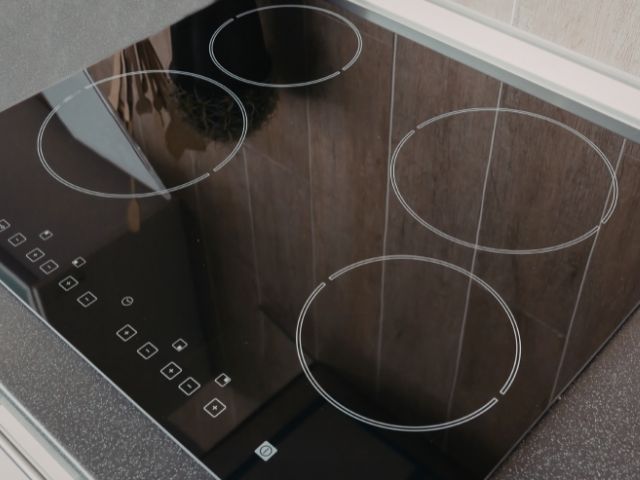
For gas cooktops, moisture can interfere with ignition systems, while electric and induction units may experience sensitivity in touch panels due to condensation or heat expansion. Over time, this environmental stress accelerates wear on wiring, sensors, and control boards.
Even something as simple as cooking more frequently—hosting barbecues, preparing family meals, or experimenting with seasonal recipes—adds to the workload. The combination of environmental factors and increased usage is why warm-weather care is crucial.
Daily Cleaning Habits That Prevent Long-Term Damage
One of the simplest ways to protect a GE Profile cooktop is consistent cleaning. Grease, spilled sauces, and food particles can harden faster in warmer temperatures, making them more difficult to remove later. When residue accumulates, it can block burners, damage glass surfaces, and interfere with sensors.
Wiping down the cooktop after every use prevents buildup that could otherwise lead to overheating or uneven flame distribution. A microfiber cloth and a gentle, non-abrasive cleaner are ideal for maintaining the surface without scratching it.
Pay special attention to burner grates and caps. Food debris trapped underneath can disrupt gas flow and cause inefficient combustion. Over time, this strain can lead to ignition problems or the need for professional burner repairs.
The Role of Proper Ventilation During Hot Months
Cooking generates additional heat, which can quickly build up in the kitchen during warm weather. Without proper ventilation, this heat gets trapped around the cooktop, affecting both the appliance and surrounding cabinetry.
Using a range hood or exhaust fan helps regulate temperature and prevents heat from circulating back into the cooktop’s internal components. Ventilation also reduces moisture and grease particles in the air, which can settle into electronic controls and wiring.
Maintaining a well-ventilated cooking environment doesn’t just improve comfort—it also helps your cooktop operate within its intended temperature range, reducing the risk of thermal stress and component failure.
Protecting Electronic Controls from Humidity
Modern GE Profile cooktops often include digital displays, touch-sensitive controls, and smart features. These advanced components are particularly vulnerable to moisture in the air.
Humidity can seep into control panels and create condensation, especially when cool indoor air meets hot outdoor conditions. This moisture may cause delayed response, flickering displays, or even complete control failure.
Keeping the kitchen dry with proper ventilation and occasional use of a dehumidifier can protect these sensitive electronics. It’s also wise to avoid placing wet towels or cookware directly on control areas, as this can introduce additional moisture.
Preventing Burner and Ignition Issues in Summer
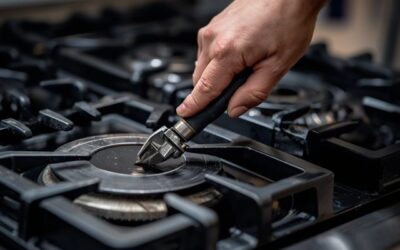
Gas burners rely on a precise balance of air and fuel. When grease or debris accumulates, or when humidity affects ignition components, you may notice delayed lighting, clicking sounds, or uneven flames.
Regularly inspecting burner ports and gently cleaning them with a soft brush ensures consistent ignition and efficient heat output. If you notice discoloration or weak flames, it may be time for a deeper cleaning or professional inspection.
Addressing small ignition issues early prevents larger problems like faulty igniters or gas flow restrictions, which are more expensive to repair.
Smart Cooking Practices That Reduce Wear and Tear
How you cook can have a major impact on your cooktop’s lifespan. Using cookware that is too large or too heavy for the burner can strain the surface and cause heat to distribute unevenly.
In warm weather, consider cooking in shorter intervals rather than running multiple burners at high heat for extended periods. This reduces thermal stress and gives internal components time to cool between uses.
Using lids on pots and pans also helps food cook faster, minimizing the amount of heat generated and reducing overall strain on the appliance.
The Importance of Seasonal Deep Cleaning
While daily wiping helps maintain surface cleanliness, a thorough deep cleaning at least once during the warm season is essential. This involves removing grates, cleaning under burner caps, and checking for grease accumulation in hidden areas.
Deep cleaning prevents residue from migrating into internal parts, where it can cause corrosion or block ventilation pathways. It also gives you an opportunity to inspect for early signs of wear, such as loose knobs, cracked glass, or discoloration around burners.
Taking time for this seasonal maintenance ensures that your cooktop enters the next season in optimal condition, reducing the likelihood of unexpected repairs.
Warning Signs That Your Cooktop Needs Attention
Even with good maintenance habits, it’s important to recognize when your cooktop is showing signs of trouble. Warm weather can amplify minor issues, making them more noticeable.
Some common warning signs include:
- Burners that take longer to ignite
- Flickering or unresponsive touch controls
- Uneven heating or fluctuating flame levels
- Unusual clicking or buzzing sounds
Ignoring these early symptoms can lead to more severe damage. Scheduling professional service at the first sign of trouble often prevents minor issues from escalating into major repairs.
When expert help is needed, you can rely on GE Monogram Inc Repair for specialized support tailored to GE Profile appliances.
How Power Surges and Summer Storms Impact Cooktops
Summer storms often bring lightning and unstable power conditions. Electric and induction cooktops are particularly susceptible to voltage fluctuations, which can damage internal circuitry and control boards.
Using surge protectors or ensuring your home’s electrical system is properly grounded can help safeguard your appliance. If you experience a power outage or surge, it’s wise to check your cooktop for unusual behavior before resuming regular use.
Protecting your appliance from electrical damage is an often-overlooked part of seasonal care, yet it can save significant repair costs.
Creating a Preventive Maintenance Routine
A structured maintenance routine makes it easier to stay consistent. Instead of waiting for problems to appear, schedule simple tasks throughout the season.
For example:
- Wipe down surfaces after each use
- Inspect burners weekly
- Perform a deep clean once a month during peak cooking periods
- Check ventilation systems regularly
This proactive approach ensures that small issues are addressed before they become serious, helping extend the functional life of your cooktop.
How Cooktop Care Connects to Overall Kitchen Appliance Health
Maintaining your cooktop doesn’t just benefit one appliance—it contributes to the overall health of your kitchen. Grease and moisture that accumulate on the cooktop can spread to nearby appliances, affecting dishwashers, ovens, and ventilation systems.
If you’ve ever struggled with cloudy dishes or poor dishwasher performance, it may be worth exploring related maintenance insights. You can learn more by reading Why is My Dishwasher Not Cleaning Properly? Fix It Now! to better understand how kitchen upkeep affects multiple appliances.
Long-Term Benefits of Seasonal Cooktop Care
Consistent warm-weather maintenance delivers benefits that go beyond preventing breakdowns. A well-maintained cooktop operates more efficiently, providing faster heating, more consistent flames, and better cooking results.
It also helps preserve the appliance’s appearance. Glass surfaces remain glossy, burner grates stay rust-free, and control panels remain responsive. These details contribute to maintaining the value of your kitchen and avoiding premature appliance replacement.
Over time, the cost savings from fewer repairs, lower energy consumption, and extended appliance lifespan make seasonal care a worthwhile investment.
Building Habits That Protect Your Investment
A GE Profile cooktop represents a significant investment in both functionality and style. Protecting that investment requires more than occasional cleaning—it calls for awareness of how seasonal conditions affect appliance performance.
By adapting your maintenance routine to warm weather, you reduce the stress placed on internal components and create an environment where your cooktop can perform reliably year after year. Small daily habits, combined with periodic inspections and professional servicing when needed, form the foundation of long-lasting appliance health.
A little extra attention during hot months can make a big difference. With proper cleaning, ventilation, and preventive care, your GE Profile cooktop can continue delivering excellent performance while avoiding unnecessary repair costs.